

Pneumatic Control
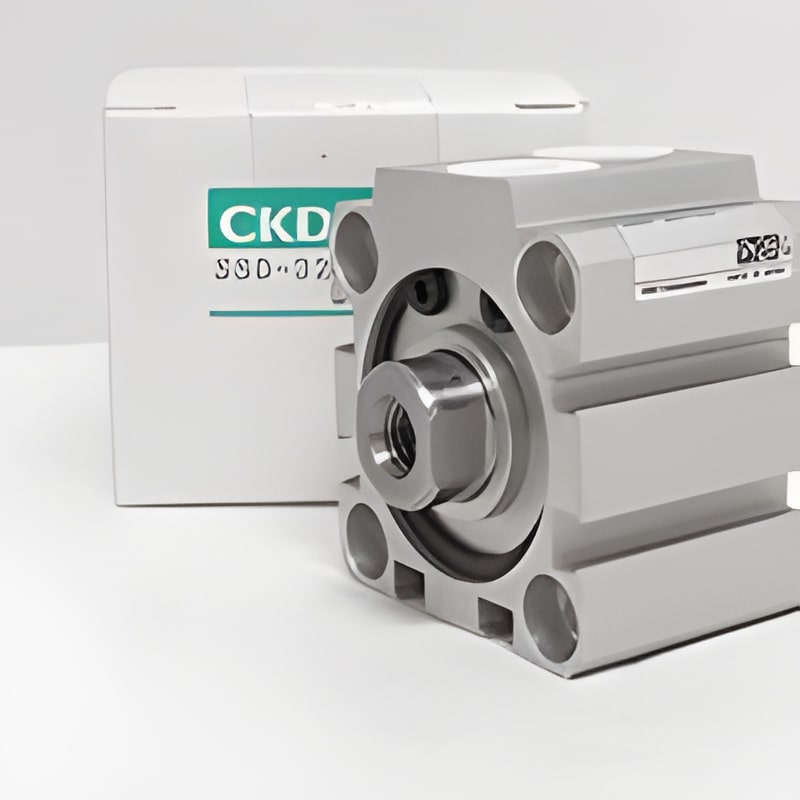
Pneumatic systems are prevalent in various industrial applications, relying on either compressed air or inert gases to function. Typically, these systems are powered by a centrally located compressor that operates electrically. This compressor serves as the heart of the pneumatic setup, supplying compressed air or gas to cylinders, air motors, pneumatic actuators, and an array of other pneumatic devices dispersed throughout the industrial facility. By harnessing the power of compressed air, pneumatic systems offer versatility and reliability, facilitating the automation of numerous tasks within industrial settings.
The utilization of pneumatic systems brings forth several advantages in industrial operations. Firstly, they provide a cost-effective solution for powering machinery and equipment, as compressed air is often readily available and relatively inexpensive compared to alternative power sources. Secondly, pneumatic systems offer rapid response times and precise control, making them suitable for applications requiring swift and accurate movements. Moreover, these systems are known for their simplicity in design and operation, contributing to ease of maintenance and troubleshooting. Overall, pneumatic systems play a crucial role in enhancing productivity and efficiency across various industrial sectors.